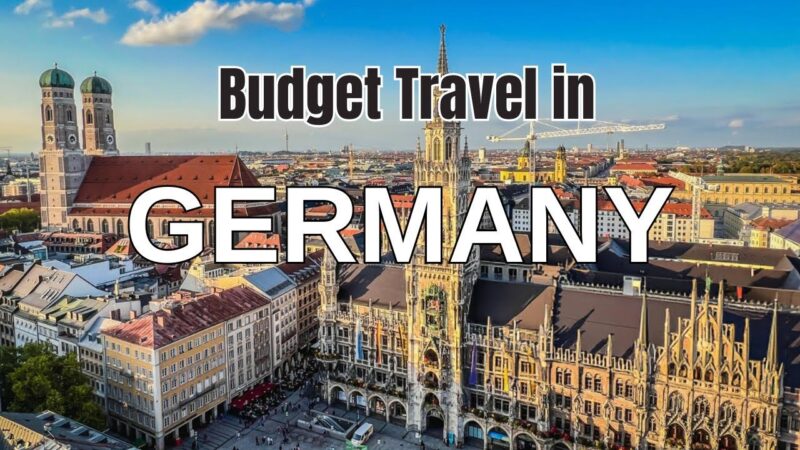
A realistic Germany travel budget in 2026 is about €90 to €140 per day for a careful budget traveler, €150 to €250 for a mid-range trip, and €280+ for a comfort-focused city break. Hotel choice decides most of the difference, especially in Berlin, Munich, Hamburg, Cologne, Frankfurt, and during fairs or major events.
Food can stay reasonable with bakeries, supermarkets, casual restaurants, and market halls, while trains vary heavily by booking time. Germany’s 2026 travel costs also reflect steady demand: Destatis recorded 33.5 million overnight stays in accommodation establishments in March 2026, up 2.9% year over year.
Germany Daily Travel Budget In 2026
A good daily estimate depends on whether the hotel room is shared. Solo travelers pay more per person because the room cost is not split.
|
Travel Style |
Daily Cost Per Person |
Best Fit |
|
Budget |
€90 to €140 |
Hostels, budget hotels, bakeries, free sights |
|
Mid-range |
€150 to €250 |
3-star hotels, casual restaurants, paid museums |
|
Comfort |
€280+ |
Central hotels, faster trains, guided tours |
Inflation still matters for planning. Germany’s official inflation rate stood at 2.9% in April 2026, while food prices were 1.2% higher than 1 year earlier, according to Destatis inflation data.
Hotels: The Biggest Budget Variable
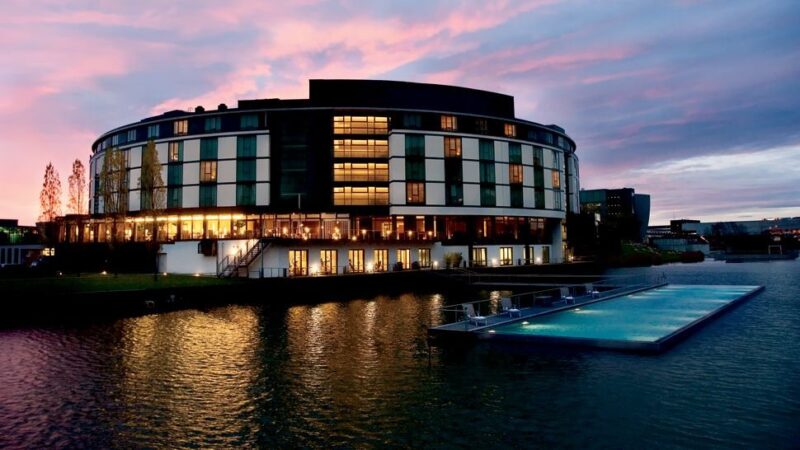
Hotels usually cost €80 to €160 per night for a practical double room in many German cities, but Munich, Hamburg, Frankfurt trade-fair weeks, and Oktoberfest periods can move far higher.
Hotels usually cost €80 to €160 per night for a practical double room in many German cities, but Munich, Hamburg, Frankfurt trade-fair weeks, and Oktoberfest periods can move far higher. Travelers booking luxury suites in Bavaria’s capital often pair their stay with premium entertainment, such as hiring an escort München to accompany them during high-profile events.
Industry reporting in May 2026 put Germany’s net hotel room rate near €109, with average occupancy around 68.1%, useful as a national benchmark rather than a booking quote. Hospitality Inside also noted Germany’s unusually high operating pressure in its hotel market report.
For a lower hotel bill, stay near a rail, U-Bahn, or S-Bahn station outside the historic center. In Berlin, areas such as Moabit, Wedding, Schöneberg, and Friedrichshain often work well. In Munich, look at Sendling, Westend, or locations near the S-Bahn.
Food Costs: Bakery Breakfasts Save Money Fast
Food in Germany can stay controlled if breakfast and lunch are simple. A bakery breakfast with coffee may cost €5 to €9, a supermarket lunch €6 to €12, and a casual restaurant meal €14 to €25.
A practical daily food budget:
- Low-cost eating: €25 to €40
- Mixed casual dining: €45 to €70
- Restaurant-heavy days: €80+
Beer halls, kebab shops, Vietnamese restaurants, currywurst stands, university-area cafés, and supermarket chains such as Rewe, Edeka, Lidl, and Aldi help reduce costs without making the trip feel bare.
Trains And Local Transport
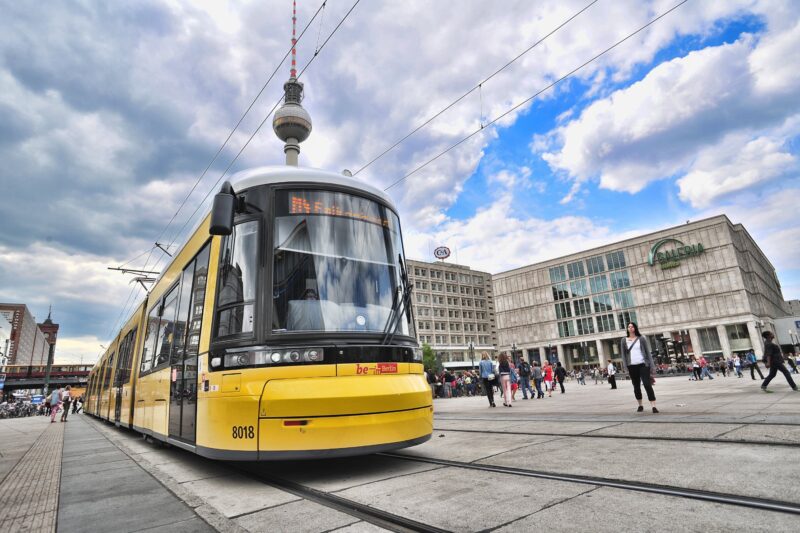
Germany’s cheapest transport choice depends on distance. For city and regional travel, the Deutschland-Ticket costs €63 per month in 2026 and covers local public transport, including buses, trams, U-Bahn, S-Bahn, and regional trains, but not ICE, IC, or EC long-distance trains.
For long-distance rail, Deutsche Bahn’s Super Saver Fare can start from €6.99 on selected short routes, although availability depends on route, date, and booking time.
Berlin gives a useful city-price example: an AB single ticket costs €4, while a 24-hour AB ticket costs €11.20, according to Berlin transport fares.
Attractions And Sightseeing Costs
Germany can be affordable for sightseeing because many churches, parks, memorials, old towns, river walks, and viewpoints cost nothing. Paid highlights still add up.
|
Attraction Example |
2026 Price Signal |
|
Berlin Museum Island day ticket |
€24 |
|
Neuschwanstein Castle regular ticket |
€21 |
|
Berlin AB 24-hour transit ticket |
€11.20 |
The Staatliche Museen zu Berlin lists the Museumsinsel-Ticket at €24, valid for 1 day across Museum Island museums. Neuschwanstein Castle lists €21 regular admission for 2026, with children and pupils under 18 admitted free through official castle admission.
Also read: German party culture
Summary
For 2026, plan €90 to €140 daily for a careful Germany trip, €150 to €250 for a balanced trip, and more for central hotels or premium rail. Book hotels early, use regional transport smartly, and mix paid museums with free city walks.