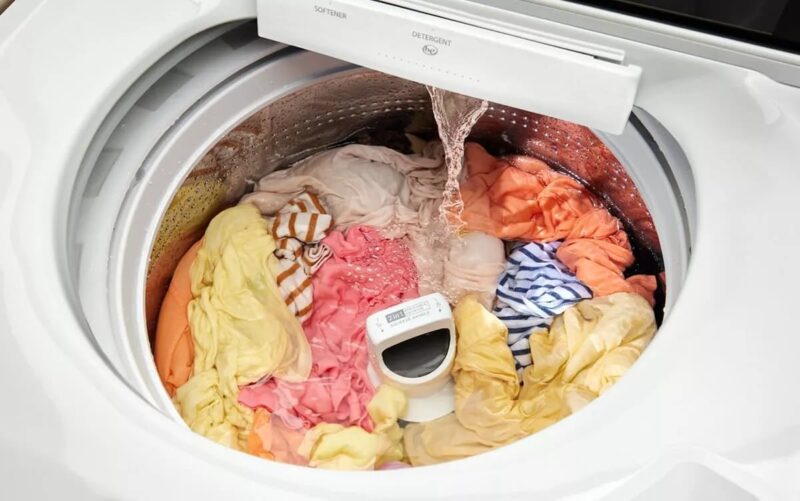
Planning a commercial laundry operation requires more than simply purchasing large washing machines. Businesses must consider capacity requirements, workflow efficiency, utility costs, equipment reliability, and future growth before investing in a laundry setup. Whether serving hotels, healthcare facilities, laundromats, student housing, or industrial operations, selecting the right equipment can have a significant impact on productivity and operating costs.
A well-designed commercial laundry facility helps reduce processing times, improve energy efficiency, and ensure consistent cleaning performance. Careful planning during the early stages can prevent costly mistakes and support long-term operational success.
Understanding Capacity Requirements Before Purchasing
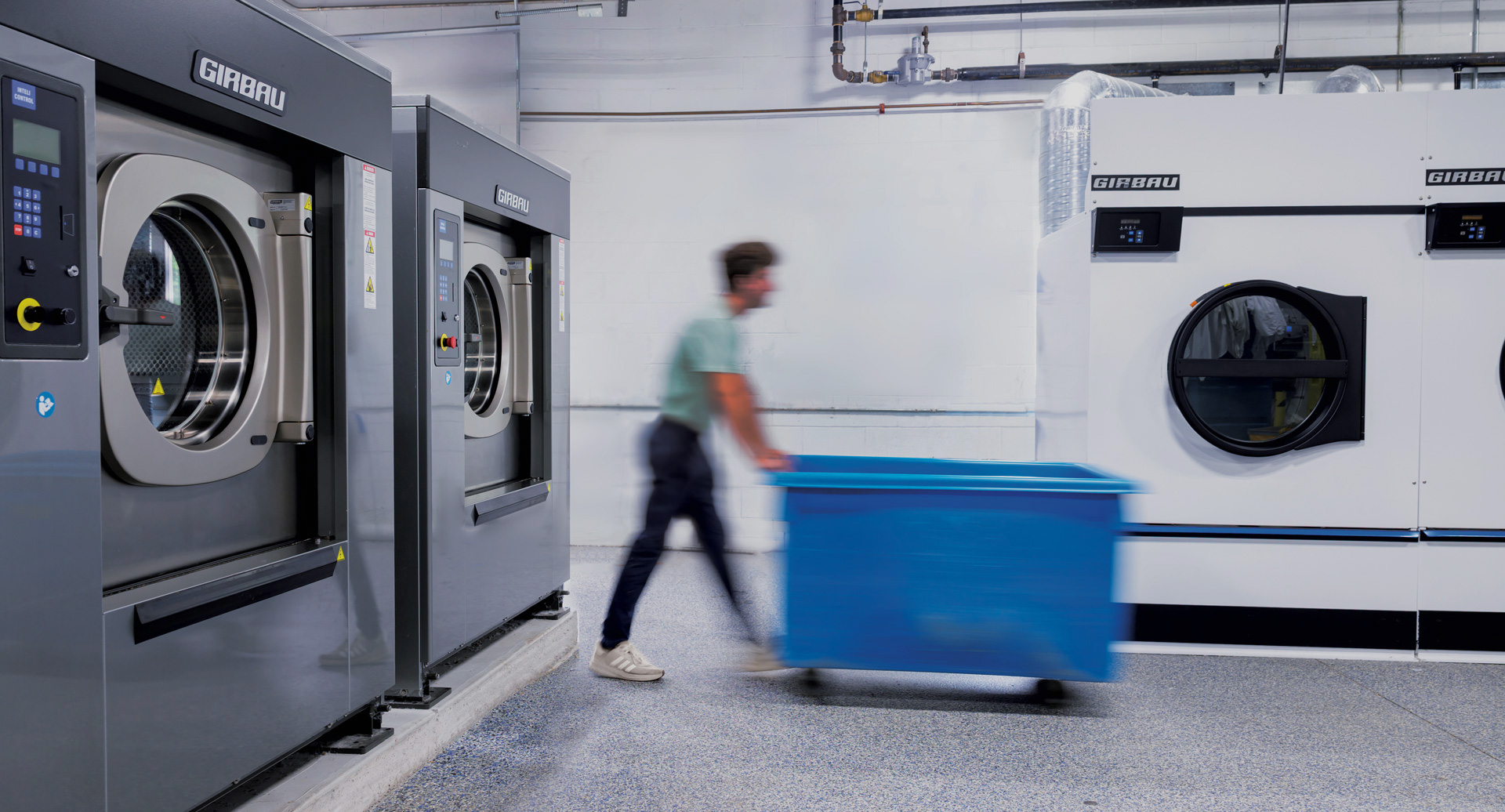
Businesses looking for ideas into large-scale washing equipment should begin by evaluating their expected laundry volumes and daily operational demands.
The size and number of machines required will depend on factors such as the number of loads processed each day, peak demand periods, and the types of materials being washed. Hotels may focus on linens and towels, while healthcare facilities often require specialized cleaning procedures and higher throughput.
Accurately estimating capacity needs helps prevent underutilized equipment as well as operational bottlenecks caused by insufficient washing capacity during busy periods.
Facility Layout Plays A Major Role In Efficiency
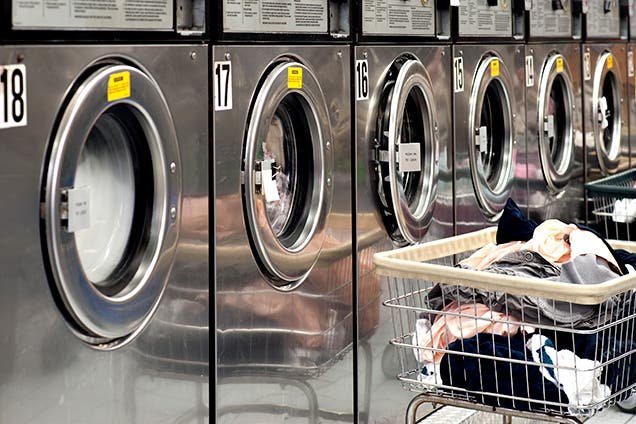
The physical design of a commercial laundry operation can significantly influence productivity. Equipment placement should support a logical workflow that moves laundry efficiently from collection and sorting through washing, drying, folding, and storage.
Minimizing unnecessary movement between workstations can reduce labour requirements and improve processing speed. Adequate space should also be allocated for loading areas, maintenance access, detergent storage, and future equipment expansion.
Businesses planning larger facilities often benefit from creating separate zones for clean and soiled materials, particularly in healthcare and hospitality environments where hygiene standards are critical.
Energy Efficiency And Long-Term Operating Costs Matter
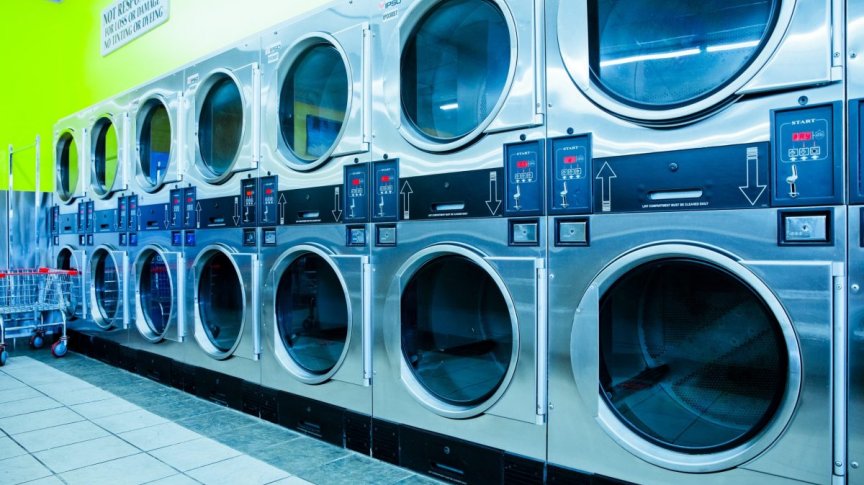
Commercial laundry equipment represents a long-term investment, making operating costs just as important as purchase price. Modern washing systems often include advanced features designed to reduce water consumption, energy use, and detergent waste.
High-efficiency equipment can lower utility expenses while improving environmental sustainability. Businesses should also compare maintenance requirements, warranty coverage, and service support availability before selecting equipment.
Evaluating total ownership costs rather than focusing solely on initial purchase expenses often leads to better long-term financial outcomes and more reliable operations.
Conclusion
Successful commercial laundry planning requires careful consideration of equipment capacity, facility layout, operational efficiency, and long-term costs. By assessing workload requirements, designing an effective workflow, and investing in reliable, energy-efficient systems, businesses can create a laundry operation that supports productivity and sustainable growth. A well-planned setup not only improves daily performance but also provides the flexibility needed to meet future business demands.