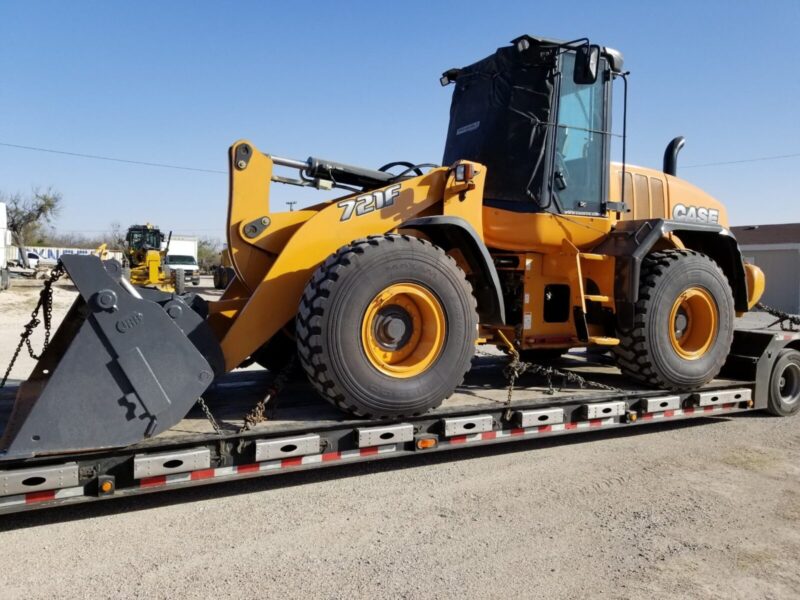
Transporting oversized industrial equipment requires detailed planning, specialized trailers, and strict safety procedures. Companies involved in construction, mining, agriculture, and manufacturing often rely on professional transport services to move large machines efficiently and legally across long distances. Because these loads usually exceed standard road limits, proper coordination is essential to avoid delays, fines, or damage during transit.
Heavy equipment and machinery transportation has become increasingly important as industries continue expanding infrastructure and industrial projects worldwide. Choosing experienced transport providers can make a major difference in ensuring safe delivery and regulatory compliance.
Understanding Oversized Equipment Transportation

Oversized loads include bulldozers, cranes, excavators, loaders, and other industrial machines that cannot fit within standard transport dimensions. Every shipment must be carefully planned based on weight, height, width, and route restrictions.
Businesses looking to learn more about heavy equipment transport should also understand how this heavy machinery transport process involves permits, escort vehicles, route surveys, and specialized loading equipment designed specifically for oversized cargo.
Transport companies usually perform detailed inspections before moving equipment. This helps determine the safest trailer type, securement methods, and travel schedule. Weather conditions and bridge limitations may also affect route planning.
Choosing The Right Trailer And Equipment
Selecting the correct trailer is one of the most important parts of transporting heavy machinery safely. Different types of equipment require different transport solutions depending on size, shape, and total weight.
Lowboy trailers are commonly used because they allow taller equipment to remain within legal height restrictions. Flatbeds, step deck trailers, and multi axle trailers may also be necessary for specific oversized loads.
Professional transport companies use advanced securing systems to prevent movement during transit. Chains, straps, and reinforced tie-down points help keep machinery stable throughout the journey, reducing the risk of accidents or cargo damage.
Permits And Safety Regulations Matter
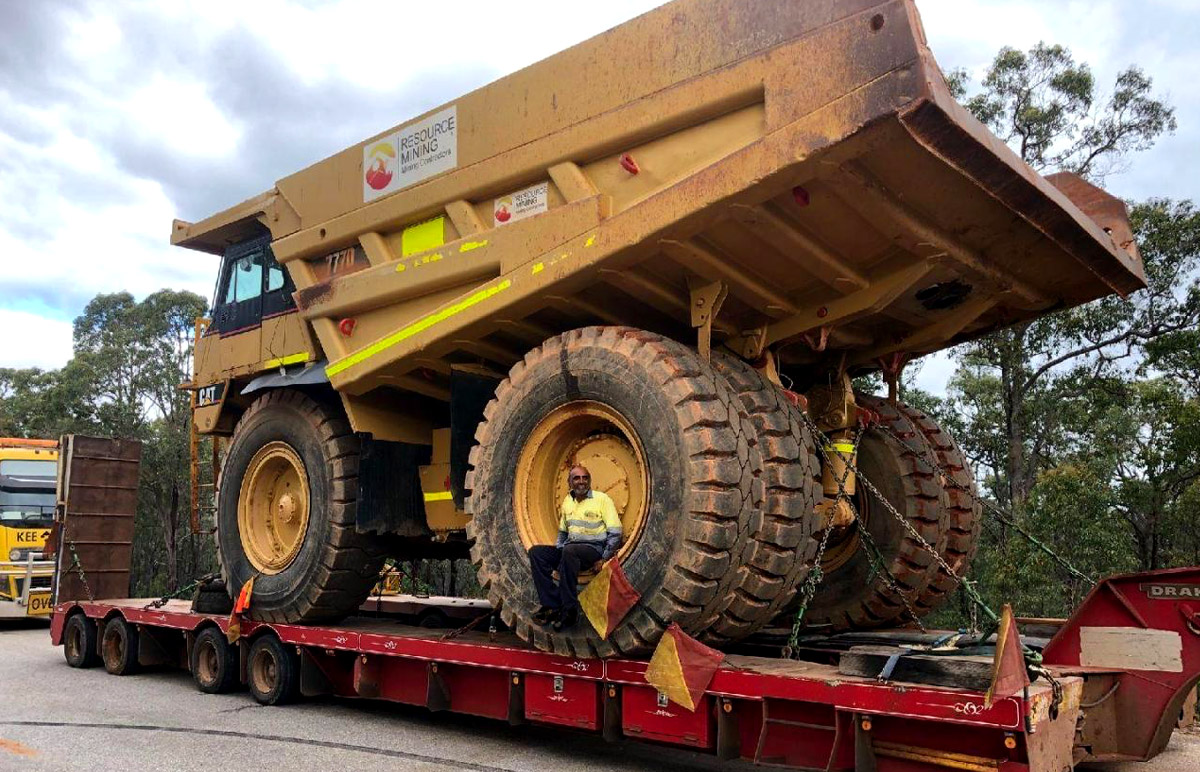
Oversized transport operations must follow strict local and national regulations. Most routes require special permits that specify travel times, approved roads, and safety requirements.
In some regions, escort vehicles are mandatory for extremely wide or heavy shipments. These support vehicles help control traffic flow and improve road safety during transport operations.
Experienced transport providers understand permit requirements and legal restrictions, which helps avoid costly delays. Compliance with safety standards is essential because oversized loads can create serious hazards if not handled properly.
Conclusion
Heavy equipment transport and heavy machinery transport require careful planning, specialized equipment, and experienced logistics coordination. From selecting the right trailer to obtaining permits and following safety regulations, every step plays an important role in ensuring successful oversized load delivery. Businesses working with reliable transport professionals can reduce risks, protect valuable machinery, and ensure projects continue without unnecessary delays.